1/1


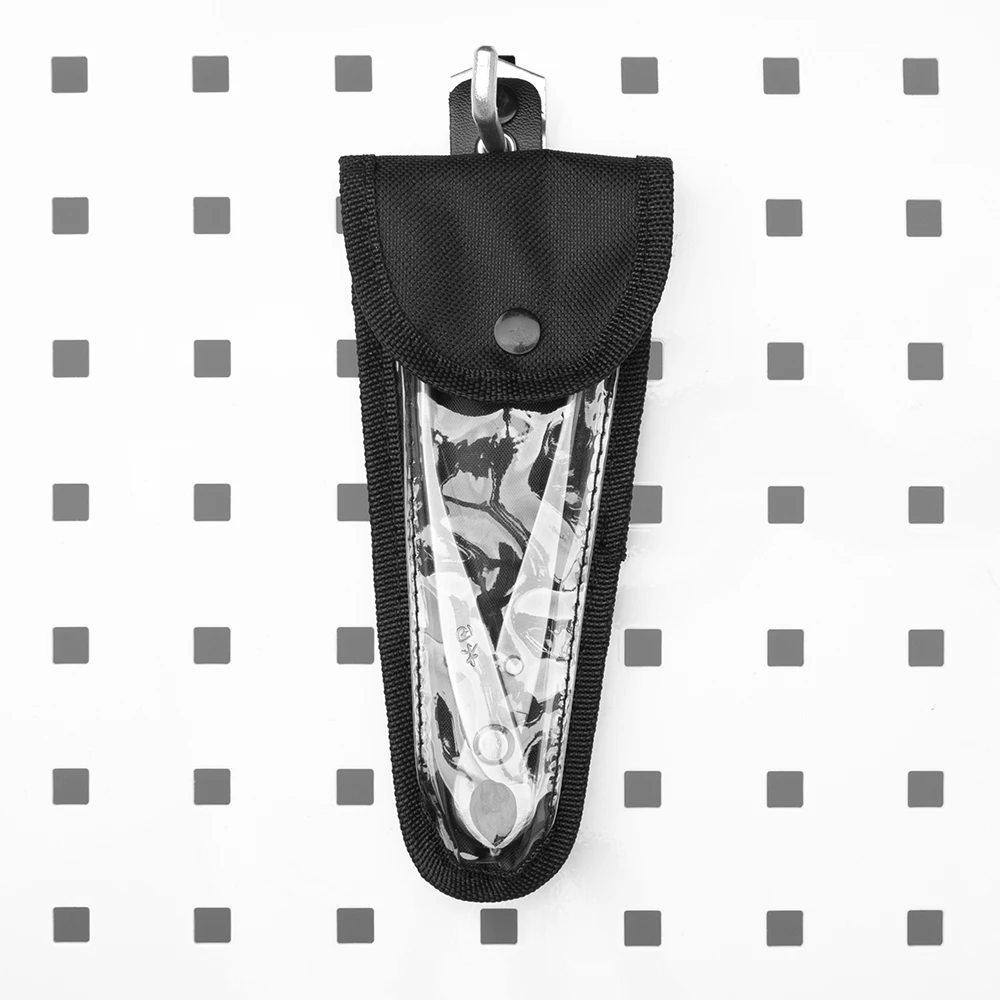
Professional Grade Knob Cutter (180mm / 205mm / 290mm) Made By 4Cr13MoV Alloy Steel
Knob Cutter
Function and Application
Knot cutter, sometimes also known as the branch and small branch pruner, is a specialized tool designed for precise and delicate pruning. Its primary function is to neatly remove unwanted woody protrusions on bonsai trees, such as knots, stubs, or small branches, to enhance the tree's aesthetic lines and promote proper healing.
Core design advantages
Unlike the flat cut of standard scissors, the key feature of the tree burl shears lies in its sturdy, curved and beveled blades. When used correctly, these blades create a concave wound. This concave shape is crucial as it allows the tree's callus tissue to rise and heal evenly from the edges inward. Over time, this significantly reduces visible scars and results in a smooth and natural tree trunk surface.
Main Applications and Scenarios
Application Purpose and Scenarios
Removing Branch Collars/Stubbs Its most classic use. After removing large branches with a saw or pruner, use the collar cutter carefully to hollow out the remaining swollen stubs ("collars") to create a starting point for healing.
Trunk Line Shaping Used to remove any stubborn protrusions, slight reverse tapering, or deformed parts on the main trunk that would disrupt the ideal smooth conical line from bottom to top.
Fine Root Trimming Although not its primary function, the sturdy collar cutter can be used during repotting to neatly cut thick woody roots that ordinary scissors cannot handle.
Initial Carving The concave cuts it makes are usually used as a starting point for further hollowing or creating deadwood (jin) or bark peeling (shari) with carving tools, adding age and character to the tree.
Key Considerations When Using
Irreversible Operation: It permanently removes wood. It should be done during the tree's dormant period (for most species) and after careful planning.
Tool strength: It provides significant leverage for tough cutting. Apply force steadily and ensure the tool is sharp to avoid crushing plant tissue.
Subsequent work: Concave wounds are usually refined with carving tools to present a natural texture, and then are often coated with collage glue for protection and to promote healing.
In conclusion, the cut refinement knife is an indispensable carving tool in advanced bonsai shaping. It can eliminate the traces left by previous pruning and shape the future form of the tree by promoting the perfect healing of the wounds.
Function and Application
Knot cutter, sometimes also known as the branch and small branch pruner, is a specialized tool designed for precise and delicate pruning. Its primary function is to neatly remove unwanted woody protrusions on bonsai trees, such as knots, stubs, or small branches, to enhance the tree's aesthetic lines and promote proper healing.
Core design advantages
Unlike the flat cut of standard scissors, the key feature of the tree burl shears lies in its sturdy, curved and beveled blades. When used correctly, these blades create a concave wound. This concave shape is crucial as it allows the tree's callus tissue to rise and heal evenly from the edges inward. Over time, this significantly reduces visible scars and results in a smooth and natural tree trunk surface.
Main Applications and Scenarios
Application Purpose and Scenarios
Removing Branch Collars/Stubbs Its most classic use. After removing large branches with a saw or pruner, use the collar cutter carefully to hollow out the remaining swollen stubs ("collars") to create a starting point for healing.
Trunk Line Shaping Used to remove any stubborn protrusions, slight reverse tapering, or deformed parts on the main trunk that would disrupt the ideal smooth conical line from bottom to top.
Fine Root Trimming Although not its primary function, the sturdy collar cutter can be used during repotting to neatly cut thick woody roots that ordinary scissors cannot handle.
Initial Carving The concave cuts it makes are usually used as a starting point for further hollowing or creating deadwood (jin) or bark peeling (shari) with carving tools, adding age and character to the tree.
Key Considerations When Using
Irreversible Operation: It permanently removes wood. It should be done during the tree's dormant period (for most species) and after careful planning.
Tool strength: It provides significant leverage for tough cutting. Apply force steadily and ensure the tool is sharp to avoid crushing plant tissue.
Subsequent work: Concave wounds are usually refined with carving tools to present a natural texture, and then are often coated with collage glue for protection and to promote healing.
In conclusion, the cut refinement knife is an indispensable carving tool in advanced bonsai shaping. It can eliminate the traces left by previous pruning and shape the future form of the tree by promoting the perfect healing of the wounds.
(28 Reviews)
1140 Sold
1/1